5 Signs You Might Be Burnt Out (And What to Do About It)
Burnout doesn't always look like falling apart. Sometimes it looks like going numb. Here are 5 honest signs you might be burnt out and what to do about it.
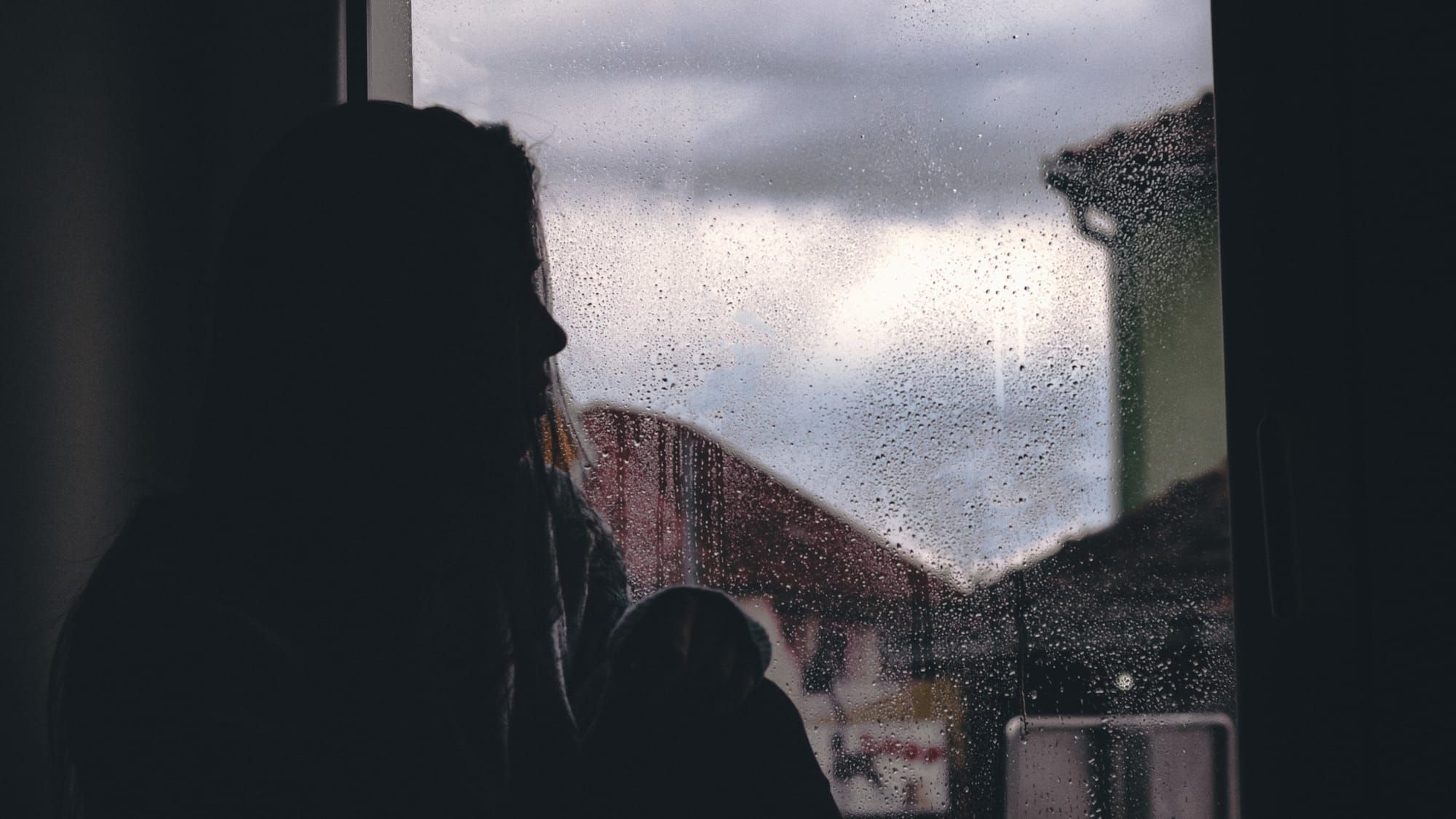
The strangest thing about burnout is that it doesn't always announce itself loudly.
There's a version of burnout that looks dramatic from the outside. The person who stops showing up, who breaks down, who can no longer function. But for a lot of people burnout arrives quietly, disguised as ordinariness. You keep going to work. You keep answering messages. You keep functioning, technically. But something has gone flat. Something that used to feel like you has gone missing.
That was how it felt for me. Not a collapse. More like a slow dimming. Things I used to love started to feel like obligations. Hobbies I once looked forward to felt hollow when I actually tried to do them. I would sit down to do something I genuinely enjoyed and feel almost nothing. Just a vague, unsettling numbness where the pleasure used to be.
I didn't recognize it as burnout for a long time. I thought I was just tired. I thought I needed a holiday. I thought I was being dramatic.
I wasn't. And if any of this sounds familiar, you might not be either.
What Burnout Actually Is
Burnout is not just being really tired. It is a state of chronic stress that has reached the point where your mental, emotional, and physical resources are genuinely depleted. The World Health Organization recognizes it as an occupational phenomenon, but the truth is that burnout does not only come from work. It can come from caregiving, from grief, from prolonged emotional strain of any kind, from the relentless pressure of trying to hold everything together for too long.
The tricky part is that burnout builds gradually. It doesn't happen overnight. It accumulates, quietly, over weeks and months, until one day you realize you are running on empty and have been for a long time.
Here are five signs that what you're experiencing might be more than ordinary tiredness.
1. You Feel Detached From Things You Used to Enjoy
This is the one that often goes unnoticed the longest because it doesn't feel like suffering. It just feels like indifference.
You used to love reading, cooking, spending time with certain people, working on a creative project. And now when you try to do those things you feel strangely flat. Not sad exactly. Just absent. Like you're going through the motions of your own life without really inhabiting it.
This emotional numbness is one of the most telling signs of burnout. It is your nervous system's way of protecting itself from further depletion by essentially turning the volume down on everything, including the good things.
If you have noticed yourself losing interest in things that used to bring you genuine joy, that is worth paying attention to.
2. Rest Doesn't Actually Restore You
Tired people feel better after sleep. Burnt out people often don't.
If you are sleeping eight hours and waking up exhausted, if a weekend off leaves you feeling no better than when it started, if a holiday provides temporary relief but you return to the same empty feeling within days, that is a sign that what you need goes deeper than rest alone.
Burnout depletes something that sleep cannot fully replenish. It requires a different kind of recovery, one that involves reducing demands, reconnecting with meaning, and giving your nervous system extended periods of genuine safety and calm.
3. Small Things Feel Disproportionately Hard
When you are burnt out your capacity for tolerating difficulty shrinks significantly. Things that would normally roll off you start to feel overwhelming. A mildly frustrating email. A change of plans. An unexpected task added to your list.
You might find yourself reacting with irritability or anxiety that feels out of proportion to the situation. Or you might find the opposite, a kind of shutdown where you simply cannot bring yourself to deal with something that objectively isn't that big a deal.
Both responses are your system telling you it has nothing left to give.
4. You Have Stopped Looking Forward to Things
Hope and anticipation are actually signs of a regulated, resourced nervous system. When we are well we naturally look forward to things, near things and far things, small pleasures and larger ones.
Burnout erodes this. Future events that should feel exciting just feel like more things to get through. Plans feel like obligations. The future looks grey and flat rather than open and possible.
If you have noticed that you have stopped looking forward to things, not because your life lacks good things but because the capacity to feel excited about them has gone quiet, that matters.
5. You Are Running on Autopilot
There is a particular quality to burnt out living where you are technically present but not really there. You do the tasks. You have the conversations. You show up where you are supposed to show up. But you are doing it all from behind glass somehow, going through the motions without any real sense of engagement or aliveness.
This dissociation from your own life is your mind's way of conserving what little energy remains. It is a coping mechanism. And recognizing it as such, rather than criticizing yourself for feeling disconnected, is an important first step.
What to Actually Do About It
The honest answer is that recovering from burnout takes longer than most people want it to. There is no quick fix and pretending otherwise does a disservice to people who are genuinely struggling.
But there are things that help, meaningfully and measurably, when practiced consistently.
Reduce inputs before adding practices. Most wellness advice focuses on adding things, more exercise, more meditation, more journaling. But when you are burnt out the first priority is reducing demands where possible. Saying no more. Protecting your time more fiercely. Creating space before trying to fill it.
Reconnect with your nervous system through breath and body. Short, gentle breathwork practices, even five minutes of slow breathing with an extended exhale, can begin to shift your physiological state in ways that rest alone cannot. You are not fixing burnout in five minutes. You are giving your body a small signal that it is safe to begin recovering.
Find one thing that asks nothing of you. Not productive leisure. Not self-improvement. Something that is purely for its own sake, walking without a destination, sitting outside, listening to music with no other agenda. Burnout often strips us of the ability to simply be. Practicing it in small doses is part of coming back.
Be honest with someone. Burnout thrives in isolation and in the performance of being fine. Telling one person you trust that you are not okay is not weakness. It is the beginning of getting better.
Give it time. Real time. Not a weekend. Weeks and months of gentler living, reduced pressure, and consistent small practices. Recovery from burnout is not linear and it is not fast. But it is possible.
A Final Note
If you recognized yourself in more than one of these signs, please take that seriously. Not with alarm, but with compassion. You have likely been pushing through for a long time, and the fact that you are reading this and paying attention is already a form of turning toward yourself rather than away.
You do not have to be falling apart to deserve rest. You do not have to hit rock bottom before slowing down is justified.
The quiet you are looking for is available to you. It just requires making space for it, one small, intentional step at a time.
Offline Zen exists for exactly this. Honest writing, gentle practices, and a newsletter that arrives in your inbox without demanding anything of you. Join below if it feels right.